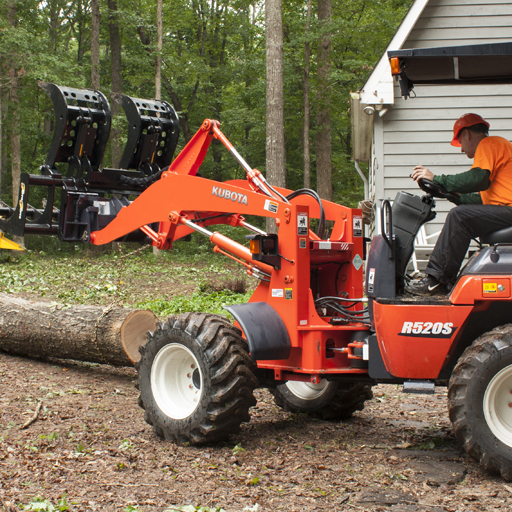
Late May in North Raleigh usually brings the start of strong summer growth, but this year’s continued dry conditions are creating a different reality for many property owners. While trees may still look green and stable on the surface, drought stress is quietly weakening structure, increasing limb failure risk, and revealing trees that are no longer safe to keep in place.
For many homeowners, this is the time when tree removal becomes less about appearance—and more about safety.
 Dry Conditions Reveal Hidden Tree Failures
Trees under drought stress don’t fail immediately. Instead, they decline slowly and unpredictably. By the time visible symptoms appear, structural integrity may already be compromised.
In North Raleigh’s current conditions, arborists are seeing:
- Increased deadwood in the upper canopy
- Brittle limbs that break under normal wind
- Root stress in compacted or shallow soils
- Sudden dieback in mature hardwoods and ornamentals
These issues often become most obvious when storms return after a dry stretch—making late spring an important inspection window.
When Tree Removal Becomes the Safest Option
Not every stressed tree can or should be saved. In many cases, removal is the safest and most cost-effective solution—especially when:
- Large dead limbs are over homes, driveways, or play areas
- The tree is leaning or shifting after dry soil movement
- There is visible trunk cracking or internal decay
- Root stability is questionable due to drought stress
- Storm exposure risk is high heading into summer months
In these situations, delaying removal often increases the risk of property damage during summer thunderstorms.
Why Late Spring Is a Critical Time for Tree Removal in North Raleigh
This time of year creates a unique combination of conditions:
- Trees are fully leafed out, making defects easier to spot
- Dry soil can weaken anchoring roots
- Summer storm season is approaching
- Emergency removal costs are typically higher after failure occurs
Proactive removal now can prevent emergency situations later—especially when storms arrive quickly and without warning.
High-Risk Trees We’re Seeing Right Now
In North Raleigh neighborhoods, certain trees are showing higher failure rates during dry conditions:
- Large mature pines with internal rot or hidden lean
- Oaks with dead upper canopy sections
- Trees growing too close to structures or over rooftops
- Trees in compacted clay soil with limited root spread
These trees often look “mostly fine” until a wind or rain event exposes their weakness.
Removal vs. Preservation: Making the Right Call
While many trees can recover with proper care, drought-stressed trees with structural compromise often cannot.
A professional evaluation can help determine:
- Whether trimming, pruning or bracing is enough
- If the tree can recover with watering and care
- Or if full removal is the safest long-term option
The goal is not to remove trees unnecessarily—but to prevent avoidable damage before peak storm season.
Protecting Your Property Before Summer Storms Arrive
Tree removal is often most effective when done before failure occurs—not after. Once a tree becomes unstable, removal becomes more complex, more dangerous, and more expensive.
If you’ve noticed changes in your trees this spring, now is the time to have them assessed.
Professional Tree Removal in North Raleigh
North Raleigh Tree provides safe, efficient tree removal services throughout the area, including hazardous tree removal, storm risk mitigation, and large tree takedowns near structures.
📞 Contact us today to schedule a tree evaluation before summer storms put your property at risk.