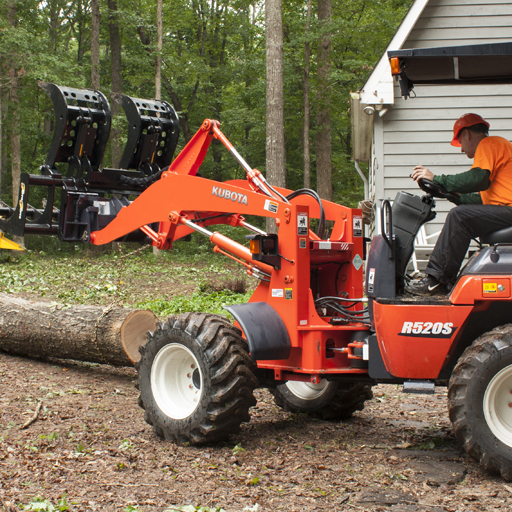
Trees can be one of the best features of a property. They provide shade, improve curb appeal, create privacy, and add value to your home. But when trees grow too close to a house, they can also create maintenance concerns and potential safety risks.
The good news is that proximity alone doesn’t automatically mean a tree needs to come down. In many cases, proper maintenance can preserve a healthy tree while protecting your home. The key is knowing what to watch for—and acting before small issues become expensive repairs.
How Close Is Too Close?
There isn’t one universal answer because every tree species grows differently.
A small ornamental tree planted near a house may never become a problem, while a large oak or pine can eventually create concerns as it matures. What matters most is considering the tree’s future size, branch spread, root growth, and overall condition—not just how it looks today.
If a tree appears crowded against your home, a professional evaluation can help determine whether trimming, monitoring, or removal makes the most sense.
Don’t Forget What’s Happening Underground
Many homeowners focus on what they can see above ground, but roots deserve attention too.
Tree roots naturally spread outward in search of water and oxygen. Over time, large root systems may contribute to issues around:
- Sidewalks and walkways
- Driveways
- Irrigation systems
- Retaining walls
- Existing weak points around structures
While healthy roots don’t usually “break through” solid foundations, they can worsen pre-existing conditions or create movement in surrounding soil.
If you notice lifted concrete, surface roots, or changes around hardscapes, it’s worth having the tree inspected.
Branches Over the Roof Can Cause More Damage Than You Think
Overhanging limbs are one of the most common reasons homeowners contact a tree company.
Branches rubbing against shingles can gradually wear roofing materials and shorten roof life. Trees over the house can also drop leaves into gutters, trap moisture, encourage moss growth, and create easier access for pests.
During storms, those same branches can become one of the biggest risks to your home.
In many cases, strategic trimming or pruning can reduce risk while preserving the tree.
Storm Season Changes Everything
A tree that seems fine on a calm day can become dangerous during severe weather.
Strong winds expose structural weaknesses that may not be obvious otherwise. Trees growing close to homes deserve extra attention if they have:
- Dead limbs
- Visible decay
- Heavy overhang
- Leaning growth patterns
- Cracks or splitting
Storm damage often starts with issues that were present long before the weather arrived.
Preventative maintenance can dramatically reduce emergency situations later.
When Tree Removal May Be the Best Option
Not every tree near a house needs removal—but sometimes it’s the safest and smartest long-term decision.
Removal may be recommended when a tree is:
- Dead or declining
- Structurally unstable
- Leaning toward the home
- Causing repeated property concerns
- Too large for its location
Removing a hazardous tree before failure occurs is almost always less disruptive and less expensive than emergency removal after damage happens.
Preventative Maintenance Protects Both Trees and Homes
One of the biggest misconceptions homeowners have is that tree work only becomes necessary when something goes wrong.
Routine inspections and proactive trimming can:
- Improve tree health
- Reduce storm risk
- Extend the life of mature trees
- Protect roofs, driveways, and landscaping
- Catch problems before they become emergencies
Healthy trees and safe homes can absolutely coexist with the right care plan.
Don’t Wait Until There’s Damage
Trees near homes should be monitored—not ignored.
If you’re concerned about overhanging branches, root growth, storm risk, or whether a tree may be too close to your house, the team at North Raleigh Tree can help evaluate your options. Contact us today or call (919) 808-CHOP (2467).